St. Alexander Nevsky Cathedral lit gold against the Sofia night sky

Sofia · Bulgaria

Discover Sofia

One of Europe's oldest cities - and one of its most underrated. Gilded domes, Roman streets, a mountain at its doorstep and a motto it has earned over almost three thousand years:

"Расте, но не старее" - it grows, but does not age.

years of history
0+
one of Europe's oldest cities
Cherni Vrah peak
0 m
Vitosha, right at the city's edge
names through the ages
0
Serdica, Sredets, Triaditsa…
Boyana frescoes
0
UNESCO World Heritage

Historic Sofia

Layers of empires, all within a walk

Thracians, Romans, Byzantines and Ottomans each left their mark in the same few square kilometres. The result is a city centre where you can touch the 4th century on your way to lunch.

The golden domes of St. Alexander Nevsky Cathedral in Sofia

The symbol of Sofia

St. Alexander Nevsky Cathedral

A Neo-Byzantine giant and one of the largest Orthodox cathedrals on earth. Its gold-leafed domes catch the light from across the city, and the candle-lit interior of marble, onyx and alabaster is worth the slow walk inside.

The 13th-century medieval frescoes inside Boyana Church near Sofia

UNESCO World Heritage

Boyana Church

A small medieval church at the foot of Vitosha, famous far beyond its size. Its 1259 frescoes are among the finest of the European Middle Ages - faces so lifelike they feel painted yesterday.

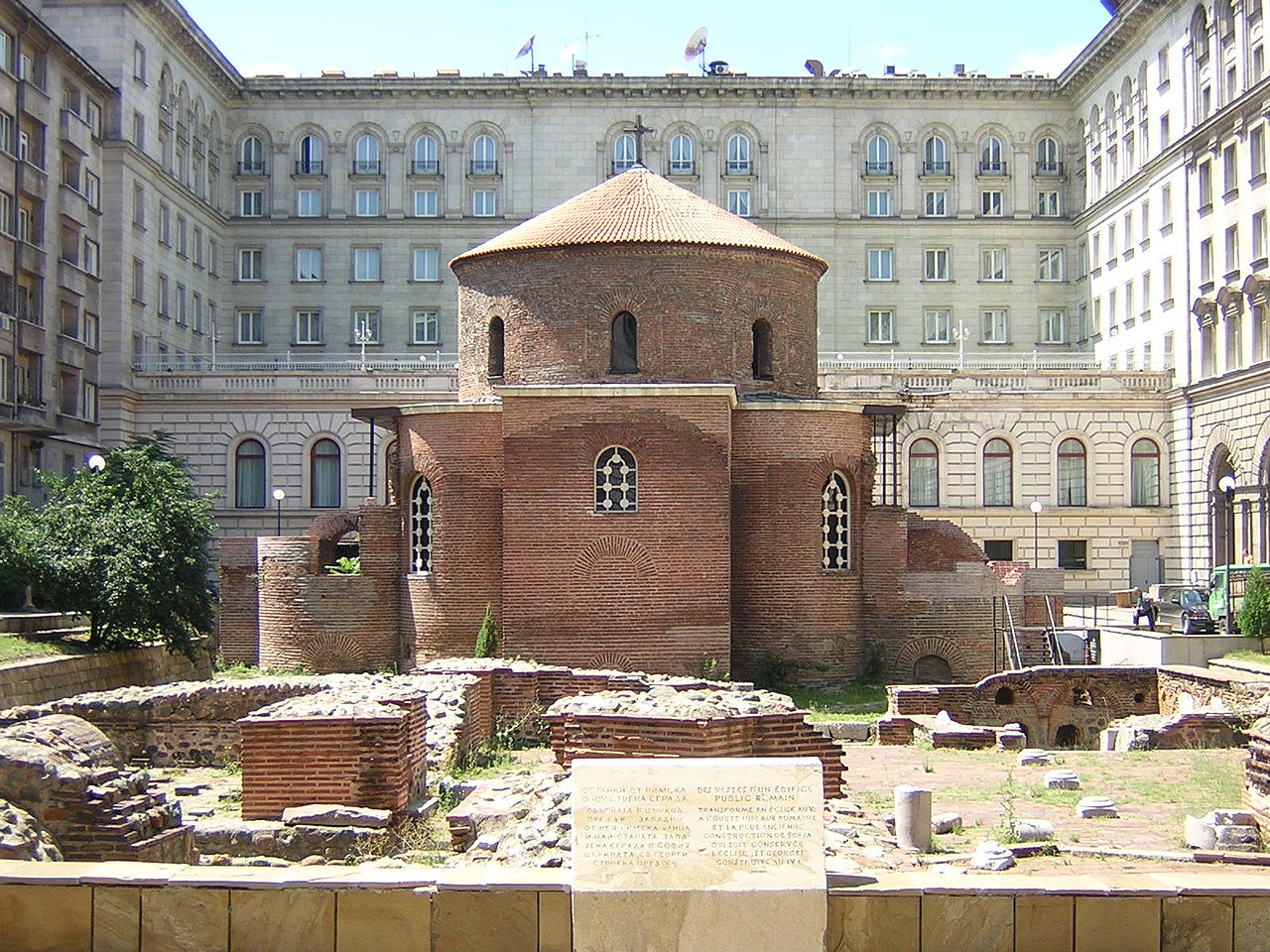
The red-brick Rotunda of St. George among the Roman ruins of Serdica in Sofia

Sofia's oldest building

The Rotunda of St. George

A red-brick Roman rotunda from the 4th century, standing in a courtyard ringed by the ruins of ancient Serdica. It is the oldest building in the city - and still a working church.

Also worth your time

The Square of Tolerance. A cathedral, a mosque and a synagogue within sight of each other - rare anywhere in Europe.

Banya Bashi Mosque. A graceful 16th-century Ottoman mosque beside the old mineral baths and drinking springs.

Sofia Synagogue. One of the largest Sephardic synagogues in Europe, crowned by a vast brass chandelier.

Ivan Vazov National Theatre. Sofia's grand stage and the postcard-perfect garden and fountains in front of it.

Vitosha Mountain

A capital with a mountain at the door

Few European capitals can claim a wilderness this close. Vitosha rises straight out of the southern neighbourhoods - a forty-minute trip from downtown to alpine meadows, ski runs and a 2,290-metre summit.

Vitosha Mountain rising behind the rooftops of central Sofia
The high plateau of Vitosha above Sofia

Cherni Vrah, 2,290 m

The highest point, reachable on foot or by gondola toward Aleko. On a clear day the whole Sofia plain spreads out below you.

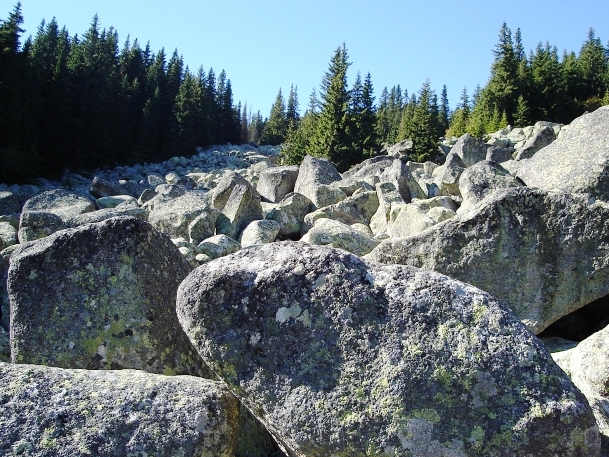
Boyana Waterfall & the Stone River

A shaded climb to a 15-metre falls, and the Golden Bridges - a river of moss-covered boulders left by ancient ice.

Ski in winter, hike in summer

Lifts and slopes a single bus ride from the centre. The same trails turn green for hiking and mountain biking from late spring.

The Stone River of moss-covered boulders on Vitosha in autumn
The Stone River near the Golden Bridges - Zlatnite Mostove.

Eat & drink

What to eat, drink and order twice

Bulgarian food is generous, savoury and built around sharing. Start with a salad and rakia, fill the table with grilled meat and warm bread, and never say no to a second banitsa. Filter the table below.

Banitsa, a coiled Bulgarian filo pastry filled with cheeseEat

Banitsa

баница

Flaky filo coiled around salty sirene cheese and egg, baked until golden. The classic Bulgarian breakfast - grab one warm from a bakery with a cup of boza or ayran.

Shopska salad topped with grated white sirene cheeseEat

Shopska Salad

шопска салата

The national salad and a small Bulgarian flag on a plate: tomatoes, cucumbers, peppers and onion under a snowfall of grated sirene. Order it first, with rakia, and let the meal begin.

Grilled Bulgarian kebapche minced-meat rollsEat

Kebapche

кебапче

Spiced minced-meat rolls grilled over coals, smoky and fragrant with cumin. Order them with lyutenitsa, a few fries and a cold beer for the perfect simple lunch.

Tarator, a cold Bulgarian cucumber and yogurt soupEat

Tarator

таратор

Chilled yogurt soup with cucumber, dill, garlic and walnuts. Summer in a bowl, and the reason Sofia survives its hot Julys. Light, sour and impossibly refreshing.

A glass of rakia, the traditional Bulgarian fruit brandyDrink

Rakia

ракия

The national spirit: a fruit brandy distilled from grapes or plums, often homemade and fiercely defended. Sipped slowly alongside shopska salad - never shot. Say наздраве before the first sip.

айран · боза

Ayran & Boza

айран · боза

Two everyday Bulgarian drinks: ayran, a salted yogurt drink that cools any meal, and boza, a thick, malty fermented breakfast drink that pairs with banitsa like coffee pairs with toast.

механа

A night at the mehana

механа

The mehana is the heart of Bulgarian dining: a wood-beamed tavern with folk music, clay pots of kavarma bubbling out of the oven, endless rakia and tables that turn into a party by the second hour. Don't rush it.

лютеница

Lyutenitsa & sides

лютеница

The roasted red-pepper and tomato relish on every Bulgarian table, spread on bread or spooned beside the grill. Ask for it with sirene and you have the taste most Bulgarians abroad miss the most.

After dark

Sofia stays up late, and so should you

Nights here start slow and end at sunrise. Café tables on Vitosha Boulevard give way to craft-beer bars, live music cellars and the student quarter that only wakes up after midnight.

Vitosha Boulevard

The pedestrian heart of the city - café terraces, people-watching and the mountain framed at the end of the street.

Craft beer & rooftops

A booming craft scene and rooftop bars with skyline-and-Vitosha views. Sundowners turn into long nights.

Live music cellars

Jazz basements, rock clubs and folk-fusion stages tucked into the old centre. Cover charges are low.

Studentski Grad

Студентски град - the student town, a dense maze of bars and clubs that doesn't fill up until well past 1 a.m.

Mehana late nights

A traditional tavern with folk music, endless rakia and tables that become a singalong by the second hour.

Summer in the gardens

Open-air bars in the City Garden and Borisova Gradina park, plus festivals that spill into the squares all summer.

Plan your days

Three days in Sofia

Enough time to walk through Roman, Byzantine and Ottoman Sofia, climb its mountain, and eat your way across the table. Tap a day to follow the route.

  1. Morning

    Serdica & the Rotunda

    Start underground in the Roman ruins beneath the metro, then find the 4th-century Rotunda of St. George hidden in its quiet courtyard.

  2. Midday

    Banitsa break, then the Square of Tolerance

    Warm banitsa from a bakery, then walk the rare stretch where a cathedral, a mosque and a synagogue stand within sight of one another.

  3. Afternoon

    St. Alexander Nevsky Cathedral

    Spend an hour under the gold domes, then browse the antique market and icon stalls that ring the square.

  4. Evening

    Dinner at a mehana

    Shopska salad, grilled kebapche and rakia in a wood-beamed tavern. Stay for the folk music.

Good to know

Practical tips & quirks

The small things that make a trip smoother - and one famous habit that trips up every first-time visitor.

Say it in Bulgarian

  • Здравейzdravey · hello
  • Благодаряblagodarya · thank you
  • Наздравеnazdrave · cheers

Late spring (May-June) and early autumn (September-October) are ideal: warm days, green Vitosha and fewer crowds. Summers are hot but the mountain stays cool, and winter brings skiing minutes from downtown.

The historic centre is flat and very walkable. For longer hops, the metro is clean, cheap and fast, with two lines crossing the centre, plus trams and buses. A bus and gondola reach Vitosha. Taxis and ride apps are inexpensive - use marked, metered cars.

The Bulgarian lev (lv / BGN), pegged to the euro at roughly 1.96 lev. Cards are widely accepted, but carry a little cash for bakeries, markets and small taverns.

Bulgarian, written in Cyrillic - the script was shaped here in the First Bulgarian Empire. English is common with younger people and in tourism. Learning to read a few Cyrillic letters makes metro signs and menus far easier.

Здравей (zdravey) - hello · Благодаря (blagodarya) - thank you · Моля (molya) - please / you're welcome · Наздраве (nazdrave) - cheers. A little Bulgarian goes a long way.

Yes - and it catches everyone out. In Bulgaria a shake of the head often means yes and a nod can mean no. When in doubt, listen for да (da, yes) and не (ne, no), or just ask twice.